

The Decline of Music Festivals in 2025: So Why Are Some Shows Still Selling Out?
September 1, 2025Posted
on

The live music industry in 2025 is facing one of its toughest challenges in decades. Reports from across Europe and North America show a wave of cancellations, with dozens of festivals disappearing from the calendar due to rising production costs, extreme weather risks, and tightening margins. The decline of music festivals in 2025 has become a headline topic, sparking questions about whether audiences are losing interest in live events.
Despite ongoing demand, festival cancellations in Europe have become much too common in 2025. The Netherlands alone has already seen at least 50 festivals pulled from the calendar, many of them small-to-mid-size events unable to overcome cost pressures and low ticket sales.
Even Coachella, the festival world’s heavyweight, has seen its ticket magic wane. Once known for selling out in a few hours, its 2025 general admission passes lingered in the market for weeks—an unexpected turn.
Two main forces are at work: steep ticket prices—$549–599 just for the weekend—plus the rise of payment plans (with 60% of attendees financing their tickets over time). With inflation still biting, audiences are asking themselves: “Is this worth it?” and increasingly choosing smaller, emotionally satisfying concerts over big splurges.
In Spain, the Brisadela Music Festival—a new Navarra-based event that promised high-tech production and a mix of established and emerging artists—was cancelled just days before its debut when ticket sales failed to meet expectations.
These are just two examples from a much broader pattern: a once‑blooming festival ecosystem entering a phase of contraction, especially for independents.
By contrast, Primavera Sound in Barcelona managed to defy the odds, selling out its single‑week edition by January and setting an attendance record of 293,000, generating over €300 million for the city.
This contrast—from canceled launches to multi-weekend sell-outs—highlights a clear divide: the shrinking majority of festivals are struggling to stay afloat, while a few emotionally resonant, well-established brands continue to thrive.
Audiences haven’t stopped craving live music. In fact, some shows are thriving — even selling out faster than ever. The contrast lies not in the demand, but in the kind of experiences people are choosing.
Why Festivals Are Struggling
The festival cancellations we’ve seen this year don’t reflect a lack of fans, but the reality of economics. Production costs have increased: staging, staffing, transport, and especially insurance. Extreme weather had a big effect on large scale events, while smaller organisers have struggled to manage cash flow and secure talent in advance. Independent events have been hit the hardest, while large corporate-backed festivals remain able to absorb risk.
This has created a narrative of decline, but it’s not the whole picture. Because while many festivals are folding, certain shows — especially nostalgia-driven concerts — are still thriving.
Why Some Shows Still Sell Out
So what’s filling the gap? The answer might be “The search for nostalgia”. Despite the decline of festivals, concerts built around the soundtracks of the 90s and early 2000s are enjoying record demand.
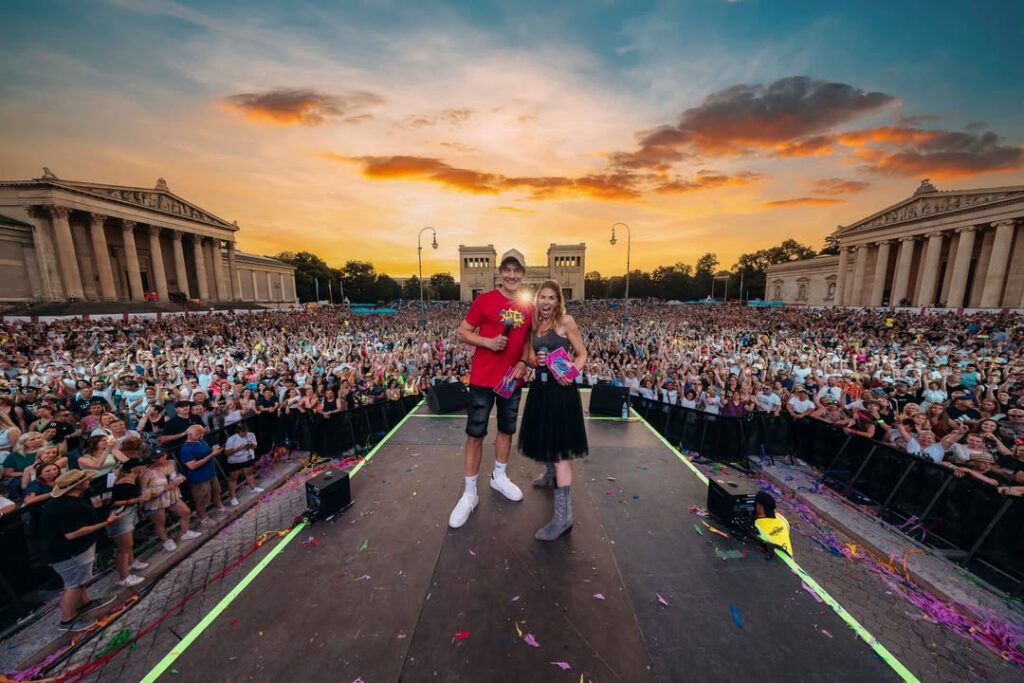
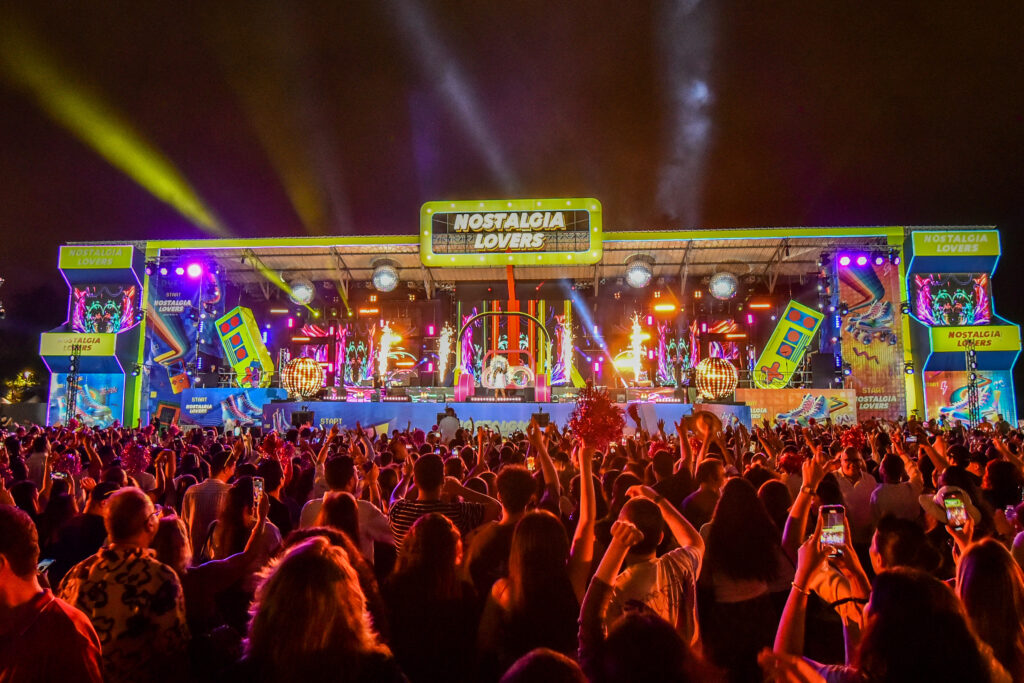
Events like Love the 90s in Spain (the one in Madrid gathering over 35.000 people in the audience), the 90s Super Show in Germany, and Nostalgia Lovers Festival in Morocco have sold out their latest editions, proving that fans are still eager to come together when the offer matches what they’re truly craving: familiarity, emotion, and connection.
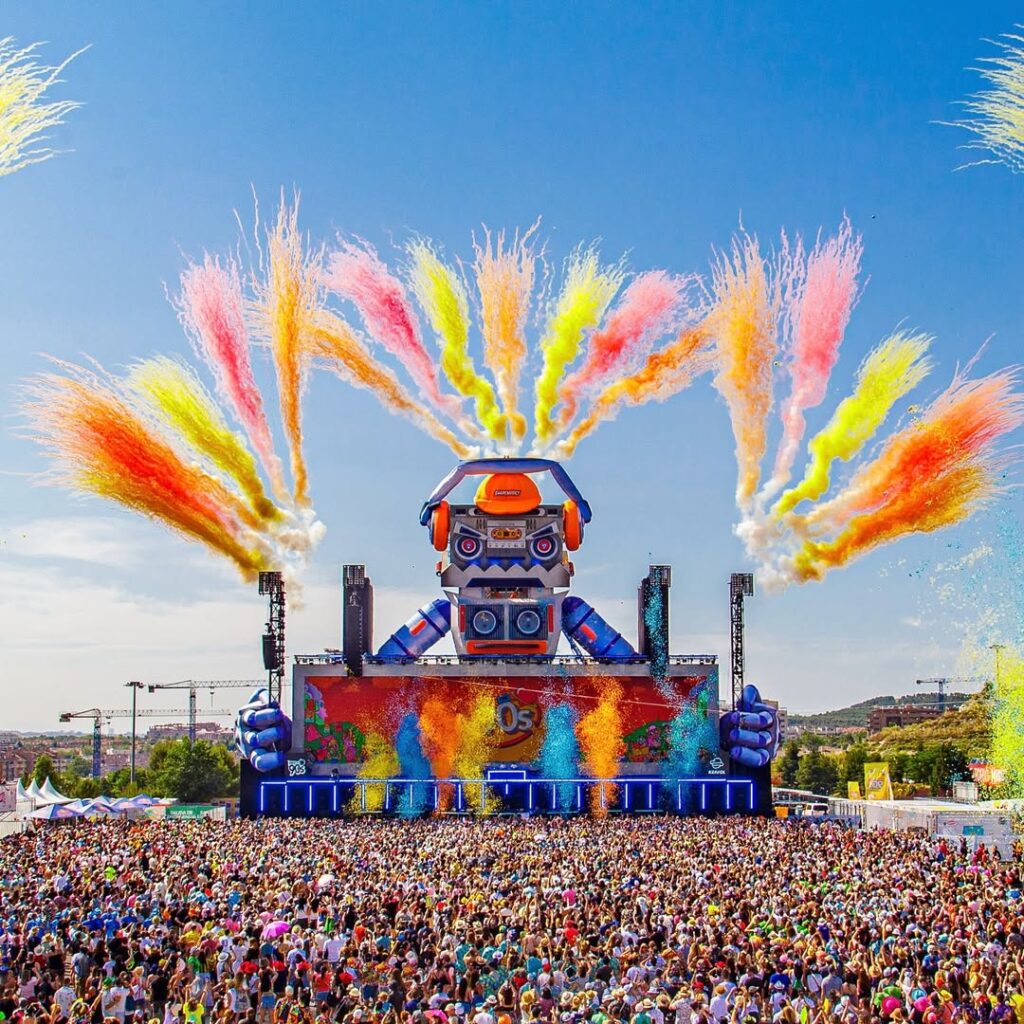
Another very successful event this summer was Dream Music Fest in Baku, Azerbaijan, held at the stunning Sea Breeze Resort from 23–26 July 2025. A true mega festival, it drew an audience of more than 40,000 people.
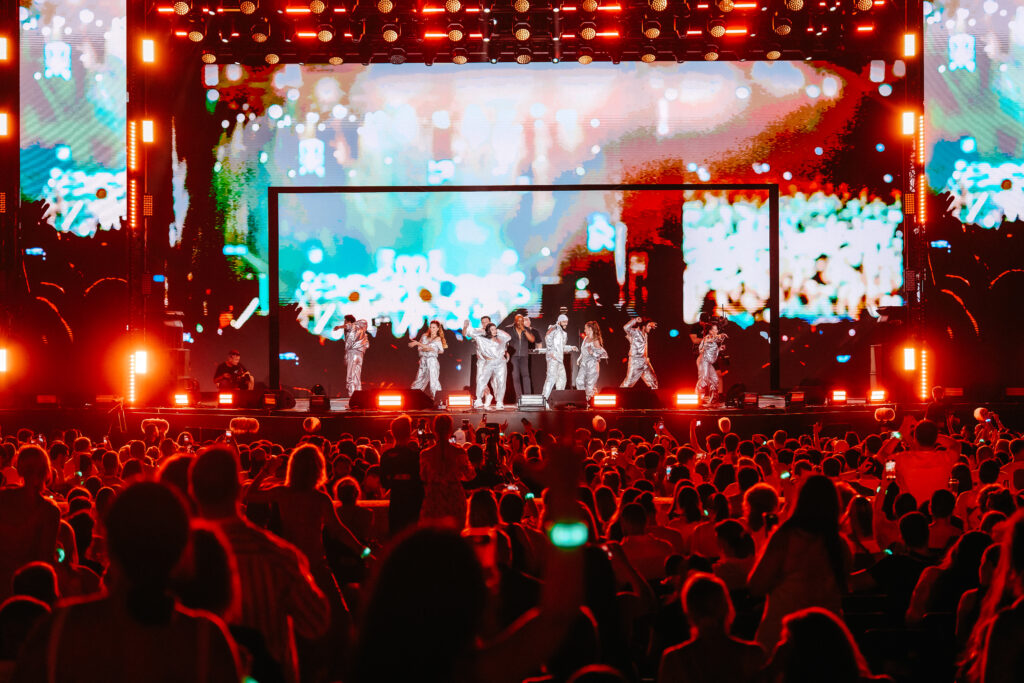
This fits into a wider cultural pattern sometimes called the “lipstick effect” — in times of economic pressure, people cut back on luxury spending, but still seek smaller, meaningful indulgences that bring joy. We will dive deeper into this phenomenon a bit later. A night of live music that transports you back to your youth is exactly that: an affordable luxury with a huge emotional return.
For audiences, nostalgia offers security and belonging in uncertain times. For organisers, it offers reliability: acts with timeless hits and cross-generational appeal that can be counted on to sell tickets.
Hedonic Consumption: The Experience Economy and Festival Tickets
Live music is ultimately about emotion. The hedonic music consumption model suggests people buy concerts for the feelings they evoke—joy, memory, sensory rush, not just the songs themselves. Nostalgic shows deliver those emotional high points with precision.
Temporal Landmarks & Belonging
Special moments—like seeing “Your Song” performed live—act as temporal landmarks in people’s lives. Events like “Love the 90s Festival” become touchstones, boosting nostalgia-driven consumption by appealing to deep emotional roots.
The Lipstick Effect in Music
Economists use the term “lipstick effect” to describe a phenomenon observed during financial crises. When household budgets tighten, people often cut back on major expenses — holidays, cars, luxury goods — but continue to spend on small, affordable treats that provide comfort and joy. The classic example is lipstick sales, which historically spike during recessions because they offer an accessible sense of indulgence and emotional uplift at a time when bigger luxuries are out of reach.
Music functions in a remarkably similar way. In periods of economic uncertainty, audiences may think twice about long, expensive weekends at multi-day festivals that come with hidden costs — accommodation, travel, food, and high ticket prices. But they still look for moments that bring happiness, connection, and escapism. This is where nostalgia-driven concerts become powerful. Buying a ticket to see Haddaway, Snap!, or Jenny from Ace of Base is a smaller investment compared to a mega-festival, but it delivers a far greater sense of emotional return. One night of familiar hits can act like that tube of lipstick: a modest cost that provides a disproportionate lift in mood, identity, and belonging.
What’s more, nostalgia has an uplifting and stabilising effect on our mood. It recalls “better times,” moments of youth, or periods when life felt less complicated. In psychology studies, nostalgia has been shown to reduce stress, increase feelings of social connection, and even counter loneliness. In the same way that a lipstick can make someone feel confident stepping out the door, a 90s hit sung in unison with thousands of strangers can reassure people that joy and community are still possible, even in tough times.
What Bookers Need to Know about Festivals in 2025
- Promoters: Build nostalgia-centric experiences, route smart, create emotional documentation (memes, sing-along videos).
- Agents: Leverage flexible formats (stripped-down sets, DJ support) to fit tighter budgets while delivering emotional payoff.
- Marketers: Sell the emotion. The marketing message should be “Remember that moment at the chorus?” more than “biggest names.”
For 2025, while festivals retreat, nostalgia acts stand firm. Bookings demand may face supply limitations—but emotional connection remains a competitive edge.
Looking Ahead – the Future of Music Festivals
The decline of music festivals in 2025 is real, but it does not signal a decline in demand for live music. If anything, it highlights a shift in what audiences value. Big, sprawling, high-risk festivals are harder to sustain, while targeted, memory-driven events are thriving.
At Poise Artist Bookings, we see this first-hand with artists like Haddaway, Snap!, Layzee aka Mr. president, Montell Jordan, Jenny from Ace of Base or Dr. Alban. These shows don’t just deliver music — they deliver memories. And in 2025, memories are still selling out.