



A 22-year-old university student, earbuds in, walking through a crowded city. Instead of the latest chart hit, they’re blasting All That She Wants by Ace of Base or Haddaway’s What Is Love. On TikTok, they’ve just shared a clip of their friends dancing to a 90s Eurodance track they discovered on a retro playlist. They weren’t alive when these songs first ruled MTV or filled stadiums, but for them, this music feels like a portal, a way to escape constant digital noise, to find something that feels real, familiar, and joyful. For Gen Z, nostalgia is not about remembering the past; thez are adopting one. They borrow the music, the moods, and even the aesthetics of eras they never lived, and turn them into their own language of belonging.
1. What is Nostalgia
Nostalgia is about a fond memory, it’s a powerful emotional state that connects people to the past, reinforces identity, and creates a sense of belonging. For Gen Z, born into a world of rapid digital change, nostalgia often means connecting to decades they didn’t experience firsthand but idealise through music, media, and fashion.
2. Nostalgia and Neuroscience: Why Gen Z Feels It for Times They Never Lived
On a neurological level, nostalgia activates the reward system in the brain — releasing dopamine, which drives pleasure and anticipation, and oxytocin, which strengthens feelings of belonging. For Gen Z, this chemical response is particularly appealing because it offers stability in a world where so much feels unstable. Economic crises, climate anxiety, and constant digital overload make their everyday experience fragmented; nostalgic content works like a neural “comfort blanket.”
Interestingly, research shows that even “borrowed nostalgia” — longing for eras you never lived — can trigger the same brain activity. When a Gen Z listener hears The Sign by Ace of Base, their brain still links the music to constructed memories: stories told by parents, retro aesthetics on TikTok, or cultural myths of a “simpler time.” Neuroscience tells us it’s less about having lived the memory and more about the perception of safety, joy, and familiarity that the music conveys.
3. Nostalgia and Behaviour: The Social Context
Behaviourally, nostalgia it’s social glue. Singing along to Haddaway’s What Is Love in a stadium isn’t only about the song, it’s about becoming part of a collective emotional experience. For Gen Z, who grew up digitally connected but often report higher loneliness rates, this collective nostalgia satisfies a deep social need.
The social context matters too.
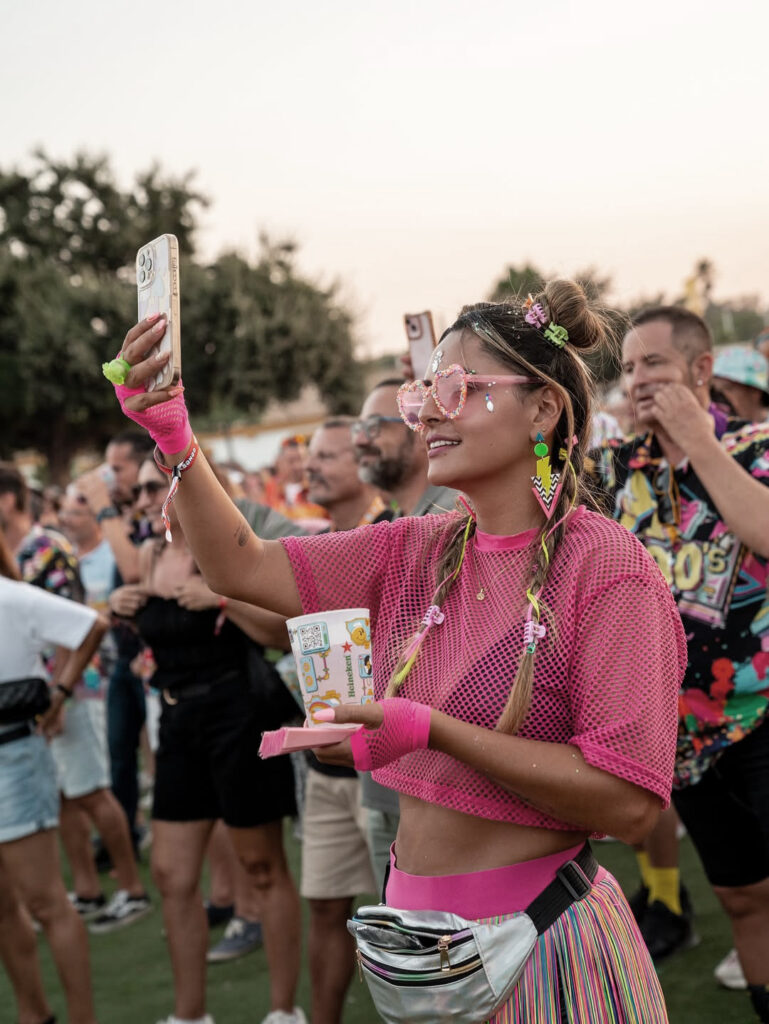
- In Europe, post-pandemic uncertainty and rising living costs are pushing people towards familiar, emotionally rewarding cultural experiences. Festivals like Love the 90s in Madrid or the 90s Super Show in Germany have sold out because they offer not just entertainment but a sense of belonging across generations.
- In the U.S., TikTok drives revivals of older tracks (Fleetwood Mac’s Dreams, Kate Bush’s Running Up That Hill) because it reframes them as part of Gen Z’s identity culture — songs become memes, bonding tools, and emotional shorthand.
- Globally, nostalgia offers a shared language. A Moroccan teenager at Nostalgia Lovers Festival sings All That She Wants alongside their parents, while a German fan relives their youth. For Gen Z, these cross-cultural overlaps make nostalgia not retro, but timeless and borderless.
4. Nostalgia, Music, and Audiences
Music is the strongest trigger for nostalgia because of its unique ability to evoke autobiographical memories. A familiar beat or lyric can transport listeners to a specific moment in time. For Gen Z, who often consume music as background for daily life, nostalgic songs stand out because they feel timeless, human, and emotionally anchored compared to algorithm-driven new releases.
5. Research About Nostalgia Music and User Behaviours
Recent surveys reveal that nostalgia isn’t just for those who lived through an era — Gen Z proves this more than any generation before.
- A GWI study found that 56% of Gen Z say they feel nostalgic for the 2000s, while 37% feel nostalgic for the 1990s, despite many not being alive to experience that decade firsthand.
- Research from Kantar / Retail IQ confirms this “borrowed nostalgia”: more than a third of Gen Z link positive feelings to the 90s, and even 12% say they feel nostalgic for the 70s, long before their time.
- Music is at the center of this trend. According to GWI, 55% of Gen Z and Millennials listen to music to remind them of good memories, and 36% use music to escape reality — a higher share than older generations.
Social platforms amplify this behaviour. TikTok has revived songs like Fleetwood Mac’s Dreams and Kate Bush’s Running Up That Hill, introducing them to millions of Gen Z users who weren’t born when these songs first charted.
Radio still plays an unexpected role, too: studies show that 79% of 18–34 year olds still choose radio in cars over streaming because curated voices provide emotional context that algorithms can’t replicate. For nostalgia, that human touch matters.
Together, this research paints a clear picture: Gen Z isn’t just streaming today’s hits. They’re actively seeking out music tied to memory, belonging, and cultural continuity — even if those “memories” are adopted from parents, pop culture, or social media storytelling.
6. Why Gen Z is Listening to 90s Music
The 90s represent fun, color, and authenticity for Gen Z. Fashion cycles have revived Y2K aesthetics, while playlists and TikTok edits repackage 90s hits as fresh discoveries. For Gen Z, these songs are not just retro curiosities; they are anthems of belonging in a fragmented world. Nostalgia provides both escapism and identity in an age of uncertainty.
7. Nostalgia Festivals’ Success: Case Studies
90s Super Show
In Germany, the 90s Super Show continues to fill arenas by combining multiple legacy acts into one immersive experience. Its strength lies in community building — audiences relive their youth collectively, singing along in stadium-sized choirs.
Love the 90s
In Madrid, Love the 90s drew more than 35,000 fans, setting attendance records and proving that nostalgia can fill arenas even when contemporary festivals face cancellations. The event thrives on immersion: dancers, visuals, and throwback aesthetics that create a total 90s world.
Nostalgia Lovers Festival
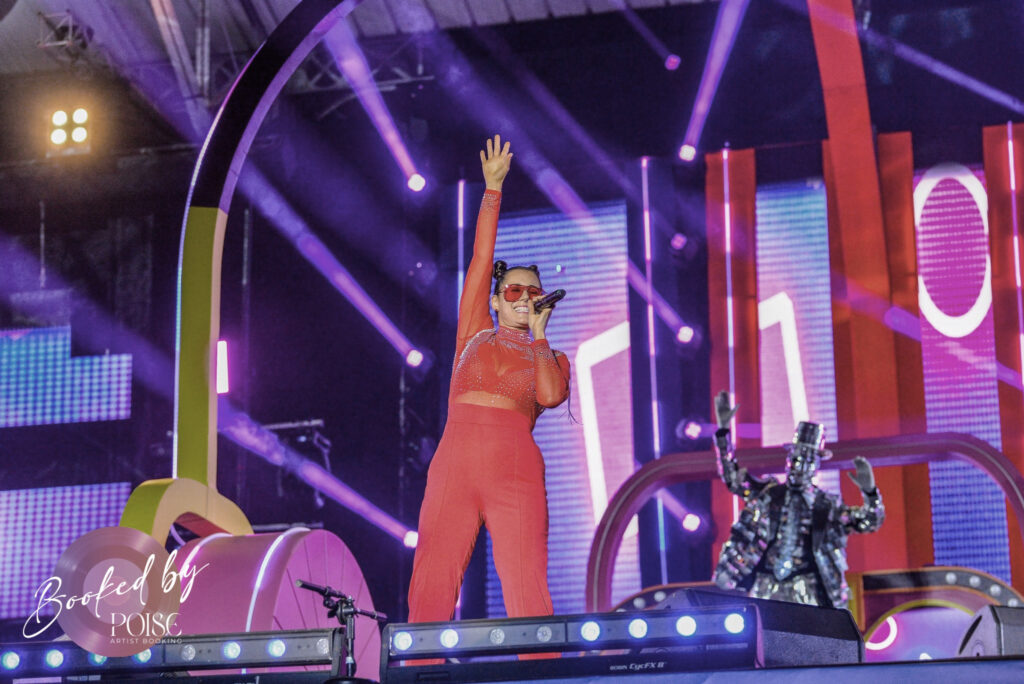
In Casablanca, Morocco, the 2025 edition featured acts like Maxx, Montell Jordan, Jenny from Ace of Base, ATC, and Layzee aka Mr. President. The Nostalgia Lovers festival delivered a powerful combination of cross-generational appeal and cultural unity, reinforcing nostalgia as an experience that transcends borders.
8. What This Means for Artists
For legacy artists, nostalgia is not a limitation but an advantage. Catalog songs are outperforming new releases across platforms — in fact, catalog music makes up 73% of global streams (Luminate, 2024). This means artists with established hits can thrive by curating performances that emphasize emotional connection, clever remixes, and modern branding without needing constant new releases.
9. What This Means for Event Organisers
For promoters, the lesson is clear: audiences aren’t abandoning live music, they’re becoming selective. Large-scale festivals are struggling with costs and ticket hesitancy, but nostalgia shows prove resilient. Organisers who build lineups around memory, community, and emotional payoff can tap into a reliable and growing demand.
10.Why It’s Appealing to Gen Z
For Gen Z, nostalgia fills three specific needs:
- Psychological Safety – In uncertain times, the brain craves predictability. Nostalgic songs deliver familiar structures and emotions, even if they’re adopted memories.
- Identity Building – Nostalgia allows Gen Z to co-opt cultural eras and claim them as part of their personal identity. Wearing Y2K fashion or blasting 90s Eurodance becomes a way to stand out while belonging to a wider tribe.
- Social Belonging – Nostalgia concerts and festivals are collective rituals. In Kassel or Casablanca, thousands singing Coco Jamboo together creates a temporary community that transcends age, background, and even geography.
In other words, Gen Z doesn’t need to have lived the 90s — they need what the 90s represent: joy without irony, community without division, and music that feels universal.
Gen Z may be the youngest generation, but their cultural heartbeat is often tuned to the past. For them, nostalgia is not about reliving childhood, but about finding comfort, connection, and identity in uncertain times. For artists and organisers alike, the opportunity is clear: the future of live music is being written with the soundtrack of the 90s.