


Posted
on
A Year That Asked Hard Questions
By the end of 2025, the music industry felt different.
Quieter in some places. Louder in others. More cautious. More reflective.
If 2020–2022 were about survival, and 2023–2024 were about acceleration, then 2025 was the year the industry finally paused and asked itself an uncomfortable question:
What are we actually building this for?
A New Year That Started With Looking Back
In January 2026, as year-end charts rolled in and festivals quietly announced cancellations for the following summer, one thing became clear: growth was still happening, but not where everyone expected.
Streaming numbers were up. Revenues were up. Vinyl sales were still rising. Major tours sold out.
And yet, behind the headlines, artists were more vocal than ever about burnout, unfair economics, and the feeling that “more” didn’t always mean “better.”
2025 wasn’t about collapse.
It was about reckoning.

The Machine Learned to Sing and the Industry Panicked
Early in the year, AI stopped being a novelty and became a legal problem.
What started as curiosity (“Look what this tool can generate!”) quickly turned into lawsuits. Artists and labels realised that AI models had been trained on decades of music, without permission, credit, or payment.
Suddenly, the conversation shifted from creativity to ownership.
Some companies chose to fight. Others chose to negotiate.
By mid-year, licensing deals between major labels and AI startups quietly replaced court drama with contracts.
The message was clear:
AI wasn’t going away, but neither was copyright.
AI in music moved from “cool experiment” to “legal and ethical crisis.”
In 2025, the big question stopped being “Can AI make music?” and became:
“Who owns the music AI learns from — and who gets paid?”
Artists, labels, and publishers started suing AI companies for using copyrighted songs to train models without permission or compensation. At the same time, major labels began negotiating deals to license their catalogs to AI companies under controlled conditions.

This created two paths:
- Unlicensed AI → lawsuits
- Licensed AI → partnerships, regulation, monetization
Why it matters
- Sets legal precedent for AI training
- Determines whether artists are paid or erased
- Shapes how creative work is valued in the future
Key sources:
- Billboard — Biggest AI Music Stories 2025
https://www.billboard.com/lists/biggest-ai-music-stories-2025-suno-udio-charts-more/ - TechCrunch — Warner Music & Suno settlement
https://techcrunch.com/2025/11/25/warner-music-signs-deal-with-ai-music-startup-suno-settles-lawsuit/ - Billboard Pro — Udio / Universal settlement
https://www.billboard.com/pro/udio-universal-settlement-ai-music-lawsuits-what-next/ - Independent artists lawsuit coverage
https://masslawyersweekly.com/2025/06/27/independent-artists-sue-suno-ai-copyright-infringement/
Streaming Grew Up, But Artists Didn’t Get Richer

On paper, 2025 looked great.
Streaming subscriptions increased. Prices rose. Global revenues climbed steadily. Platforms talked openly about “cultural impact” and “artist ecosystems.”
But for most artists, daily reality hadn’t changed much.
A million streams still didn’t pay the rent. Algorithms still rewarded consistency over creativity. Catalog music continued to outperform new releases, not because it was better, but because it was familiar.
Streaming had matured into infrastructure.
Reliable. Massive. Impersonal.
And that maturity forced artists to look elsewhere for meaning — and income.
Prices went up, subscribers increased, revenues rose — yet most artists still struggle to earn meaningful income from streams. The system favors:
- massive catalogs
- global hits
- algorithm-friendly music
What stayed the same
- Streaming dominates consumption
- Algorithms control discovery
- Scale beats niche
What changed
- Fans pay more
- Artists question sustainability
- Platforms talk more about “culture” than payouts
Key sources
- IFPI Global Music Report 2025
https://www.ifpi.org/wp-content/uploads/2024/03/GMR2025_SOTI.pdf - RIAA Reports
https://www.riaa.com/reports/ - MIDiA Research — Revenue growth
https://www.midiaresearch.com/blog/global-recorded-music-revenues-up-59-in-h1-2025 - Spotify earnings & newsroom
https://newsroom.spotify.com/2025-04-29/spotify-reports-first-quarter-2025-earnings/
Old Songs Became the Smartest Investment
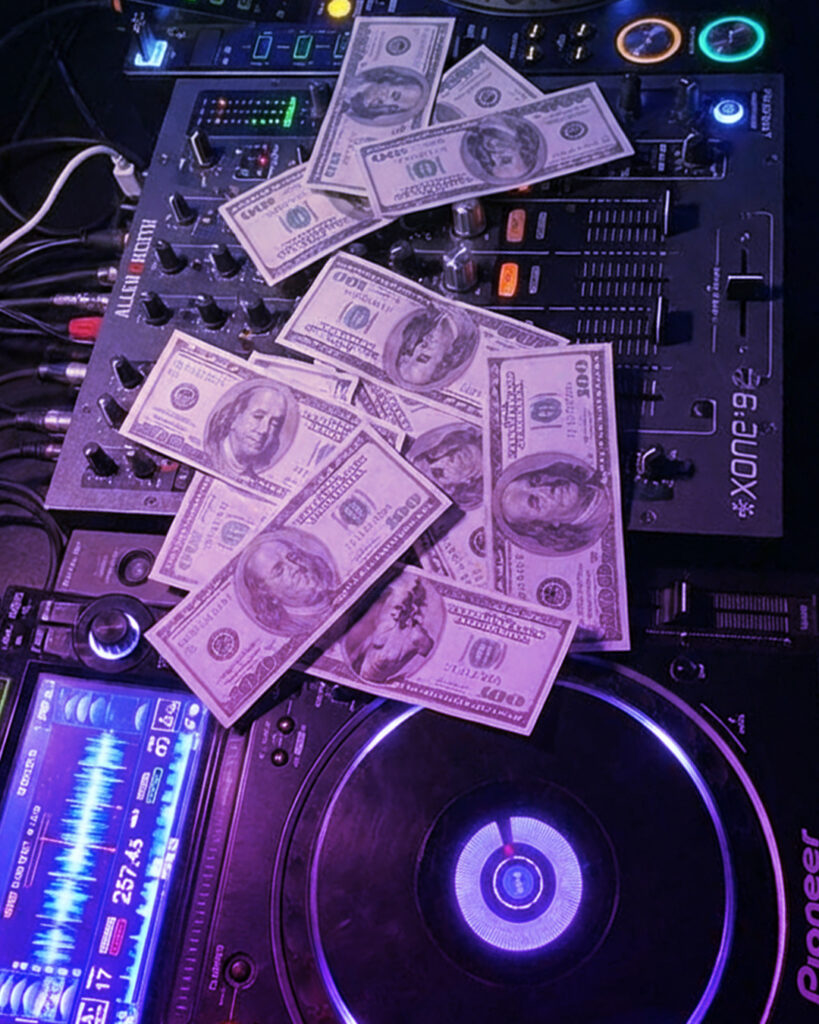
While new releases fought for attention, old songs quietly printed money.
Catalogs were treated like real estate: stable, predictable, low-risk.
That’s why investors kept buying them. And why artists fought harder to own them.
When Taylor Swift finally regained control of her masters in 2025, it felt less like celebrity news and more like a cultural moment.
In a year obsessed with the future, the past turned out to be the safest bet.
Music catalogs are treated like financial assets, similar to real estate or bonds.
Owning masters = predictable income.
Taylor Swift buying back her masters symbolized:
- creative control
- financial power
- long-term thinking
Meanwhile, private equity and majors kept buying catalogs because:
- old music streams forever
- nostalgia is stable
- risk is lower than new artists
Key sources
- Variety — Taylor Swift masters
https://variety.com/2025/music/news/taylor-swift-buys-rights-first-six-albums-shamrock-1236413964/ - Billboard Pro — Catalog deal analysis
https://www.billboard.com/pro/taylor-swift-regains-control-master-recordings-shamrock/ - Music Business Worldwide — Top deals 2025
https://www.musicbusinessworldwide.com/the-23-biggest-music-business-deals-of-2025/
Live Music Didn’t Die — It Split in Two
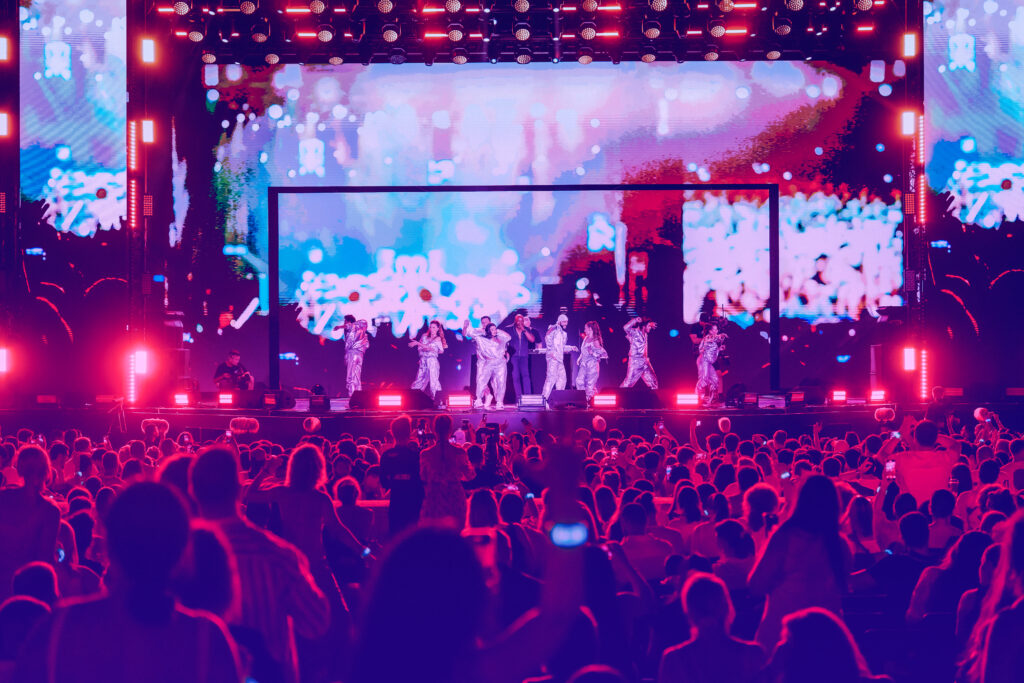
From the outside, live music looked unstoppable. Stadium tours sold out in minutes. Headlines celebrated record-breaking ticket sales.
But zoom in, and a different picture appeared.
Mid-sized festivals struggled. Some quietly disappeared. Others cancelled weeks before opening gates. Rising costs, cautious audiences, and sponsorship fatigue made the old festival model fragile.
What survived?
- Big names
- Clear concepts
- Nostalgia-driven events
- Fewer risks
Live music didn’t shrink. But it became polarised.
The Algorithm Discovered Songs, But Not Careers
TikTok and short-form video continued to break tracks at lightning speed.
But by 2025, everyone knew the truth: virality is not a strategy.
Artists could go viral on Monday and be forgotten by Friday.
Labels stopped chasing moments and started asking harder questions: Can this artist last? Can they tour? Can they connect beyond a screen?
Attention was easy.
Longevity was rare.
TikTok still breaks songs, but attention ≠ career.
Virality is fast, fragile, and hard to sustain.
Artists now must convert:
moment → audience → long-term engagement
Key sources
- KiteMetric — Short-form impact
https://kitemetric.com/blogs/short-form-video-music-streaming-the-2025-revolution - The Short Media — TikTok & charts
https://theshortmedia.com/tiktoks-influence-on-the-us-music-charts-how-music-is-made-in-2025
When “Free” Became the Most Expensive Word
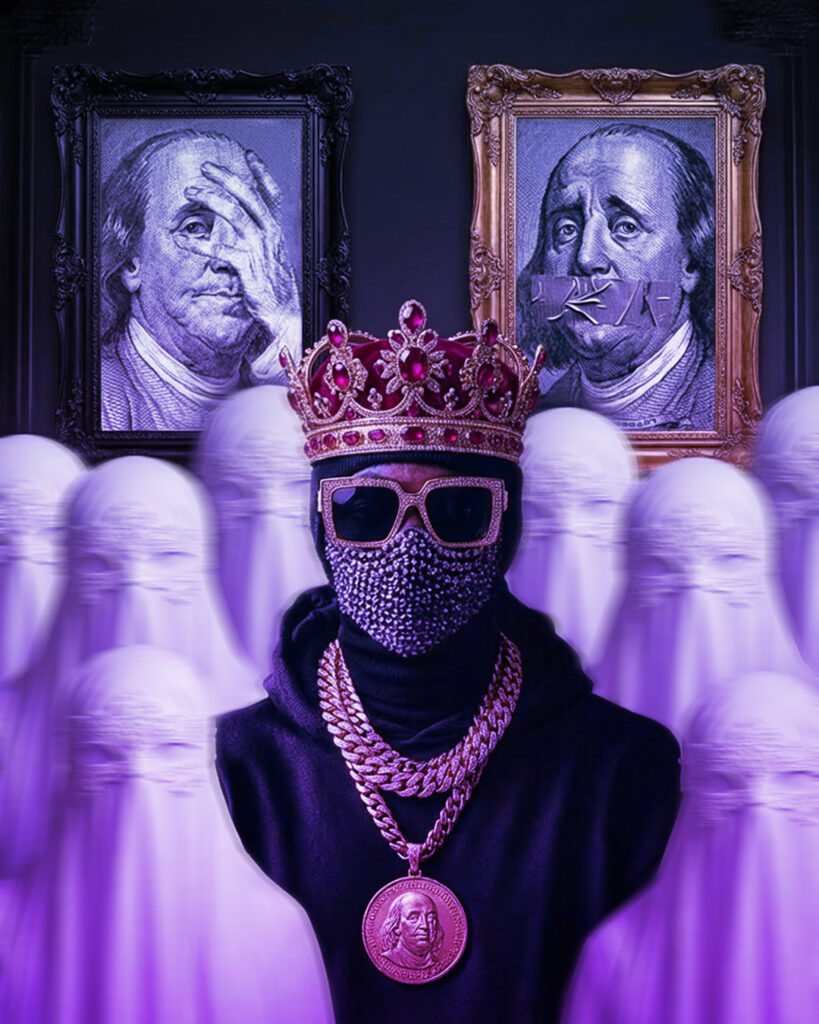
In sync licensing, convenience won — at a cost.
Stock music, sound-alikes, and “royalty-free” platforms dominated visual media. Cheap. Fast. Forgettable.
And slowly, culture flattened.
Great songs were replaced by “good enough” ones. Discovery gave way to efficiency. Music became background instead of meaning.
By the end of 2025, more industry voices spoke up:
If music becomes invisible, it also becomes disposable.
Stock & Royalty-Free Music Boom
Platforms offering royalty-free or stock music (tracks accessible with a single fee and no ongoing royalties) expanded rapidly. These services are widely adopted for:
- social media content
- advertising
- podcasts
- short videos
While appealing for ease and cost-savings, this trend quietly diverted sync revenue away from artists and rights holders, making free-ish solutions a major economic player, yet one that doesn’t reward individual creators directly.
Key sources
- Example of stock music’s influence (general market coverage)
https://ra.co/news/84036
Sync Licensing Got Simplified — But With Hidden Costs
Sync placement (licensing music for media like film, TV, ads, and games) became automated in many cases. Tools marketed frictionless sync, but that convenience often came at a cultural and financial cost:
- Productions defaulted to easier but cheaper music solutions
- Smaller creators saw fewer direct sync opportunities
- AI and stock music blurred boundaries between original and functional tracks
This shift emphasized that while easy might reduce upfront cost, it weakens long-term cultural and economic value.
Key sources
- Royalty Exchange — Sync & digital media trends
https://royaltyexchange.com/blog/5-digital-media-trends-shaping-sync-royalties?
The Quiet Return of Touch - Tangible Music Still Resonates with Listeners
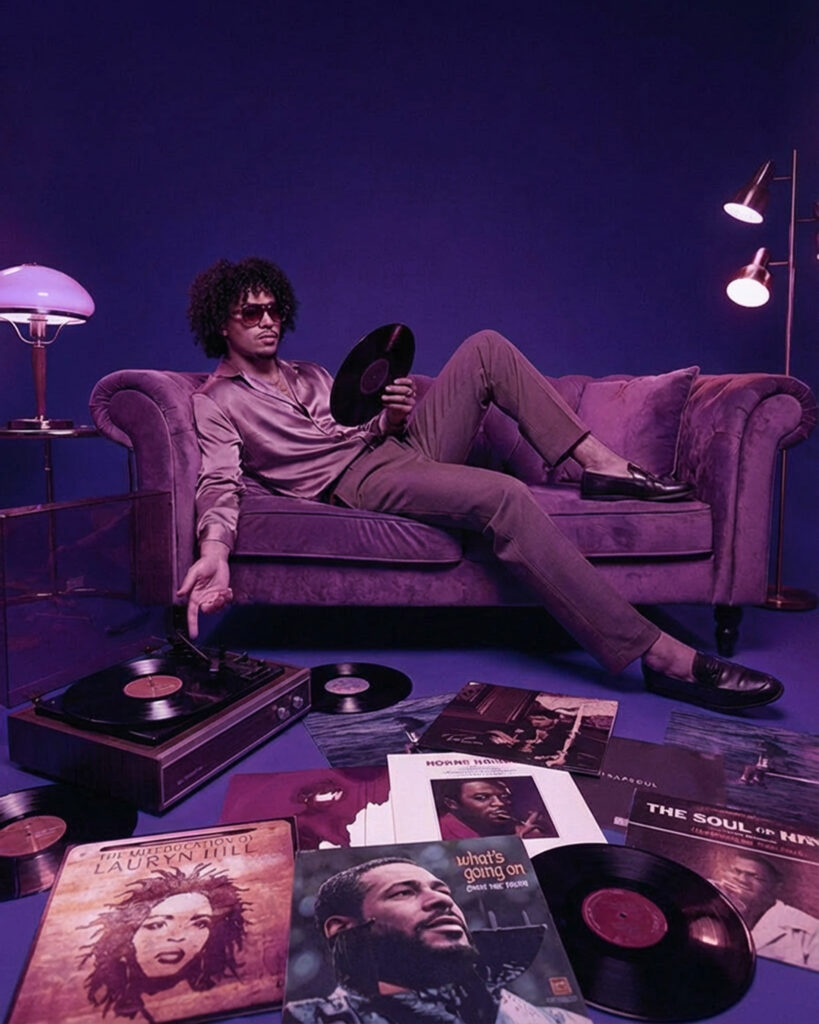
While everything sped up, something unexpectedly slowed down.
Vinyl kept selling. CDs stabilised. Merch mattered again.
Fans wanted something to hold, not just something to scroll past.
Owning music — physically or emotionally — became an act of resistance against endless consumption.
While digital music services continued to dominate, physical formats and tangible music experiences regained cultural relevance in 2025 as meaningful consumer and fan behaviour.
Vinyl’s Ongoing Strength
Vinyl remained a standout in an era of streaming dominance:
- The RIAA 2025 mid-year music revenue report showed that vinyl accounted for a substantial share of physical format revenues, with $457 million in sales — more than three-quarters of physical revenues.
- Vinyl records experienced an unprecedented comeback in 2025, with sales surpassing CDs for the fifth consecutive year. This resurgence wasn’t driven by nostalgia alone — it was fueled by sound quality, collectibility, and a new generation discovering analog music. Looking at why vinyl made such a strong return reveals deeper trends in modern music consumption and shifting cultural values.
- Industry forecasts project continued long-term growth for vinyl, with markets expected to expand further through the decade.
This suggests that tangible formats still resonate with listeners, as collectors and fans seek ownership, ritual, and listening experiences physical formats uniquely provide.
Key sources
Retro Tech & Analog Resurgence
Beyond vinyl, the broader cultural movement toward analog experiences gained populatiry, reflecting how people are rediscovering intentional engagement with music and objects:
- A December 2025 Associated Press profile highlighted a generation-bridging trend toward analog hobbies, including vinyl listening, as people seek refuge from digital saturation.
- UK nightlife trends around Christmas reported increased interest in vinyl and even CD playback, driven by nostalgia and aesthetic appeal across demographics.
What’s Driving This Trend?
Emotional connection: Physical mediums provide tactile, sensory richness that streaming can’t replicate.
Collectibility: Albums, artwork, and collector editions add value beyond audio alone.
Cultural ritual: Listening sessions, unwrapping records, and curated physical collections foster intentional engagement.
Why This Is Important
In a world dominated by digital speed and algorithmic recommendation, the resurgence of physical formats it’s a response to digital overload. It illustrates that music consumption is not only about access, but also about presence and experience.
Key sources
- RIAA Mid-Year Music Revenue Report 2025
https://www.riaa.com/reports/2025-mid-year-music-industry-revenue-report-riaa/ - Vinyl market projections / industry forecasts
https://www.researchandmarkets.com/report/vinyl-record - Vinyl revival context (Wikipedia)
https://en.wikipedia.org/wiki/Vinyl_revival - AP News — Analog experiences, including vinyl resurgence
https://apnews.com/article/a22ec5ff50c91d73fb814e48b43b2511 - The Guardian — CD and retro format interest
https://www.theguardian.com/business/2025/dec/23/cd-compact-disc-christmas-shopping-lists-gen-z-embrace-retro-renaissance
A Wave of Live Events & Festival Crisis
In 2025, the live music and festival landscape faced noticeable turbulence because pressure points emerged simultaneously across economics, logistics, and audience behaviors.
Major Festival Cancellations
Across Europe and the US, a growing number of music festivals were cancelled or postponed, signaling structural strain in the live events ecosystem:
- CNN reported that over 40 music festivals were cancelled worldwide in 2025, attributing many of the cancellations to slow ticket sales and rising costs.
- In the Netherlands alone, at least 50 festivals were called off mid-season due to financial and organizational challenges.
- Even festivals with strong artistic backing, like Nine Inch Nails’ Future Ruins Festival, were cancelled late in the year due to logistical complications, reflecting planning difficulties within smaller and niche events alike.
- Independent reports also highlighted that cancellations spanned hundreds of events, affecting livelihoods tied to festivals from grassroots to mid-tier regional markets.
Behind the Headline Numbers
Recorded music revenues continued to grow overall, but the momentum for physical and festival-dependent segments slowed. US industry revenue rose modestly (about 0.9 % in H1 2025), illustrating a contrast between modest income growth and live sector volatility.
Why This Matters
❗ Rising operational costs — from staging and safety to artist fees and insurance — have eroded festival profitability.
❗ Ticket price sensitivity is lower than expected, as audiences weigh price against experiential value.
❗ Competition for attention means that only stronger, well-branded or heritage events weather the storm, while smaller and emerging festivals struggle.
Summary Insight: 2025 didn’t signal the end of live music, it did reveal a market that’s reallocating risk, scaling more cautiously, and favouring established over experimental formats.
Key sources:
- MusicFestivalWizard — Festivals cancelled in 2025
https://www.musicfestivalwizard.com/music-festivals-cancelled-in-2025/ - CNN / EDM Tunes — Decline and causes of festival cancellations
https://www.edmtunes.com/2025/06/cnn-explores-decline-music-festivals/ - IQ Magazine — Dutch festival cancellations
https://www.iqmagazine.com/2025/05/50-dutch-festivals-cancelled-so-far-in-2025/ - News & social coverage — Near-100 festival cancellations globally
https://www.facebook.com/cadillacranchCJ/posts/nearly-100-music-festivals-have-been-cancelled-within-the-us-and-beyond-in-2025r/
What 2025 Really Changed
The biggest shift wasn’t technological, it was philosophical.
Artists wanted control.
Audiences wanted meaning.
The industry wanted sustainability, not just scale.
2025 didn’t give all the answers.
But it asked the right questions.
And maybe that’s what growth looks like now:
not louder, not faster — but more intentional.