


Why We Press Play on the Past Every December
No New Christmas Songs
Every December, we hit play… and suddenly, it’s 1960 again.
- Rockin’ Around the Christmas Tree – still in Spotify’s global Top 10,
even though Brenda Lee recorded it 65 years ago.
Next comes…
- It’s Beginning to Look a Lot Like Christmas by Michael Bublé –
a modern voice wrapped in vintage nostalgia from the 1951 original.
And…
- All I Want for Christmas Is You (1994) by Mariah Carey sneaks back into our ears like holiday déjà vu.
It’s comforting, the musical version of unpacking the same ornaments from the same dusty box every year.
But here’s the curious part:
We are streaming the exact same Christmas songs our parents and grandparents did, even though the world today couldn’t feel more different.
So what happened?
Why did the Christmas hit machine… stop?
And why do only the old songs feel like “Christmas”?
Chapter 1 – The Season of Evergreen Hits
Every December, the same songs return — and dominate. According to Spotify data, Mariah Carey’s All I Want for Christmas Is You remains the most-streamed holiday song ever, having surpassed 2 billion streams in late 2024. This is a concrete indicator that a holiday classic continues to draw massive numbers even decades after release.
Close behind are songs like Wham!’s Last Christmas, Brenda Lee’s Rockin’ Around the Christmas Tree, and others, all released decades ago, proving that once a track becomes “classic,” it virtually becomes permanent.
Streaming trends confirm the holiday ritual: each year, from early November, festive playlists begin to climb. In 2025, holiday-music streams reportedly spiked by 250% since November 1.
According to industry reports, during the holiday season streams of “Christmas / holiday music” grow dramatically. A Buzz Angle-based study shows that streaming of holiday-tagged songs can peak with a 74% increase during the season, totaling billions of streams.
Conclusion: Christmas hits don’t fade — they accumulate streams year after year. Once in the “hot playlist of Christmas songs,” they may never leave.
Chapter 2 – The 90s Christmas Songs: A Perfect Storm of Joy, Money & Memory
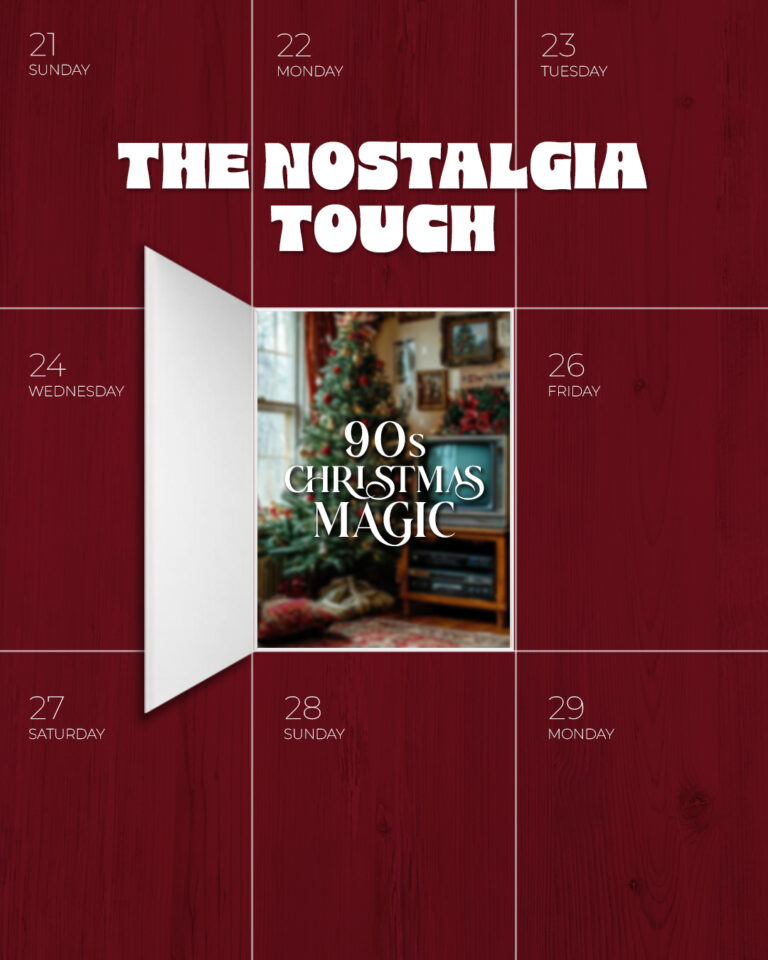
The 1990s offered a rare blend of conditions that made Christmas records appealing and profitable:
- A booming music industry reliant on physical sales + radio airplay
- A cultural optimism and desire for feel-good party music
- Euro-dance and pop acts delivering upbeat, joyful tracks — a perfect fit for the holiday sentiment.
Artists from that era (and a few before/after) managed to create songs that felt universal — simple hooks, sing-along choruses, broad appeal across age groups and countries.
For this reason many “Christmas music fans” still feel nostalgic for that period. If Christmas songs are supposed to bring joy, unity, and shared memories — the 90s delivered them like no other.
A survey by a retail-music research initiative found that many people associate holiday songs with happiness, generosity, and positive mood changes — older and familiar songs tend to evoke stronger emotional responses than new releases.
Chapter 3 – The Money Behind the Bells: Why Labels Are Reluctant
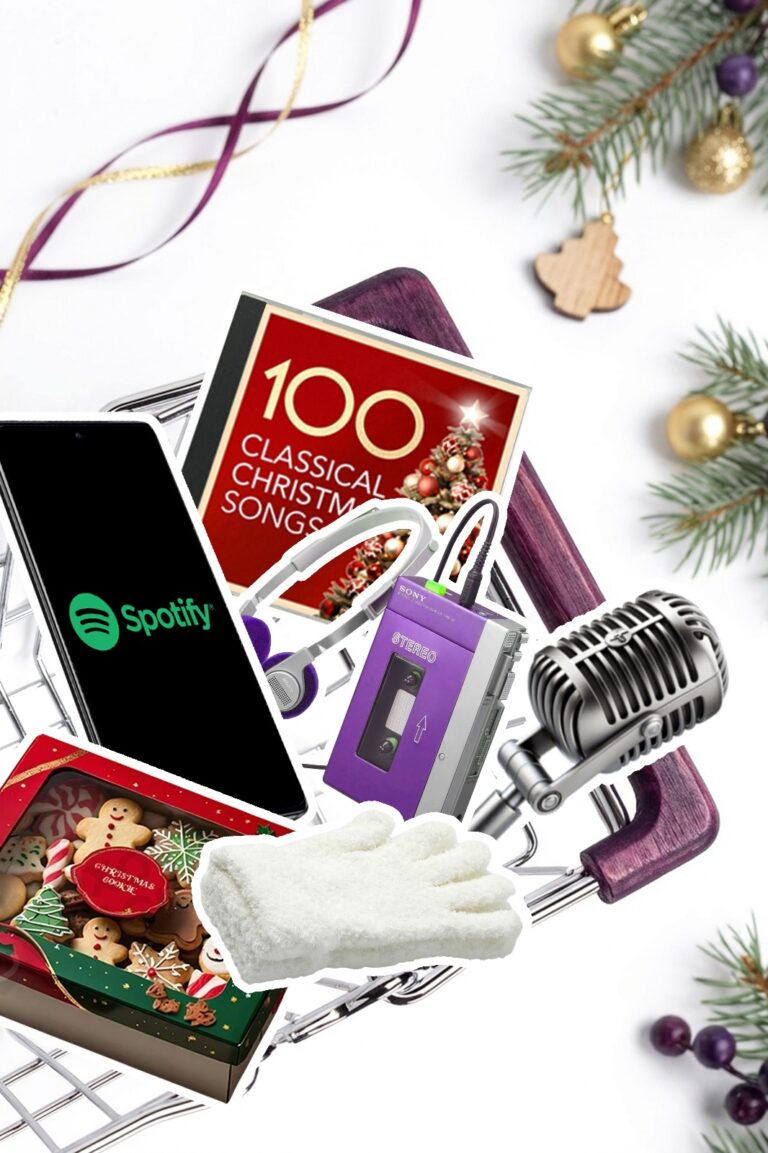
While older Christmas hits continue to earn — some millions per season — creating new ones is a complex gamble. Consider the case of All I Want for Christmas Is You: even decades after release, experts estimate Mariah Carey still earns between US $2.5 to $3 million every holiday season.
However, those earnings come after a lifetime of compounding streams, radio plays, covers, sync licensing, and annual revival. Launching a new Christmas song today means:
- High upfront marketing and promotion costs — because holiday songs have a very narrow window to catch on before the season ends.
- Low odds of success: only a tiny fraction of new festive songs break through the “classic ceiling.”
- Oversaturation: listeners already have established festive playlists; algorithms favor proven hits.
- Short seasonal revenue window: unlike regular singles, festive tracks earn mostly during a few months each year.
For a label or independent artist, that’s a risky return on investment — unless there’s a strong brand, immediate traction, or long-term catalog potential.
In short: holiday songs = seasonal gamble. Evergreen hits = long-term win.
Chapter 4 — The Ghost of Christmas Past Is Winning
Here’s the paradox:
We’ve never needed joy more… yet we’re hesitant to accept new expressions of it.
Modern life doesn’t resemble the fairytales holiday music promises.
We’re living through:
- economic stress
- uncertainty about the future
- news cycles that feel anything but peaceful
So when December comes, most people aren’t looking for a fresh narrative,
they’re looking for relief.
Older Christmas hits, especially those from the 90s, act like a warm blanket we already trust. Even if you didn’t grow up with them, they carry the feeling of a world where things were simpler, slower, and somehow kinder.
A Gen Z listener who wasn’t alive in 1994 still believes in the magic when Mariah Carey hits that first note, because the song itself has become a holiday ritual. It’s the comfort of a moment we can all step back into, whether or not it was ever ours.
Meanwhile, new Christmas songs often try to fit today’s world, irony, realism, production tricks — and our brains instantly say: “That’s not what Christmas feels like.”
We don’t stream holiday music to celebrate the present.
We stream it to escape it.
So the reason the classics dominate isn’t that audiences have lost interest.
It’s that the magic is already there, preserved in melodies and memories we return to like traditions.
New songs can’t replace that.
Not yet.
Because the season itself has shifted, and nostalgia is doing the heavy lifting.
Chapter 5 – The Exception That Proves the Rule
There have been attempts to create new Christmas hits — like modern tracks by Leona Lewis (One More Sleep, released 2013) — and some gained traction. But even those rarely reach the heights of 90s-era classics.
Streaming-data specialists have also noted that holiday songs still benefit from algorithm boosts, but even boosted, newer hits seldom dethrone older ones.
Which suggests: the threshold to become a “classic” is higher today than ever.
Chapter 6 – What This Means for Artists, Labels & Event Organisers
For artists and labels:
- A modern holiday song needs real novelty, not just a seasonal remix. Think emotional authenticity, global resonance, market timing.
- If you believe in classic values (nostalgia, collective memory), investing in catalog-building, even outside holiday context, may pay off more than chasing holiday gems.
- For pop-nostalgia acts, holiday releases can still be valuable, but only if integrated into a larger strategy (tours, catalog re-issues, remasters, sync deals).
For promoters & event organisers:
- Nostalgia tours and live shows in December are more desirable than new Christmas releases.
- A 90s-era or retro-themed event gives you both familiarity (crowd buys in) and fresh energy (live performance).
Booking artists with proven “feel-good” hits remains safer and more lucrative than betting on new holiday songs.
Epilogue — Maybe Christmas Songs Are a Time Capsule, Not a Production Line
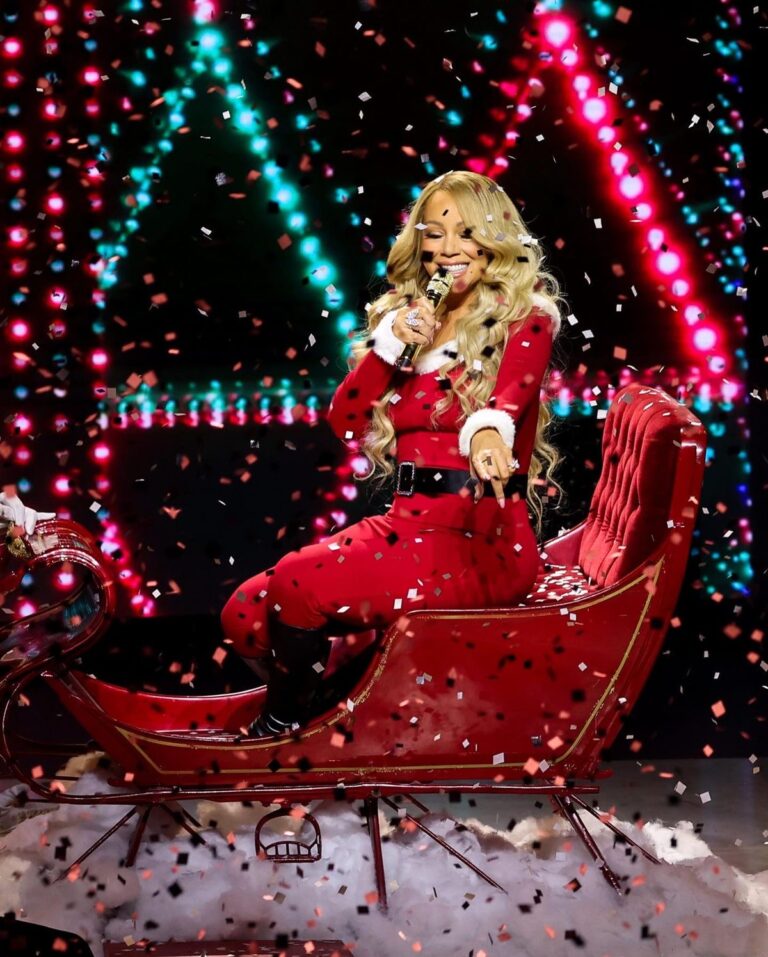
It’s not that people don’t want new Christmas music — it’s that the world changed, and songs that used to capture seasonal spirit now compete with complexity, overload, and shifting habits.
So we’re not stuck in time, we’re evolving. And maybe, just maybe, the greatest Christmas hits will grow by themselves.
In the meantime, nostalgia-driven concerts and 90s revivals offer something no playlist can: live emotion, shared memories, real people singing together.
If you are interested in booking an artist that can successfully bring the merry bells of Christmas to your audience, send us a message and we can curate that dream line up for you!